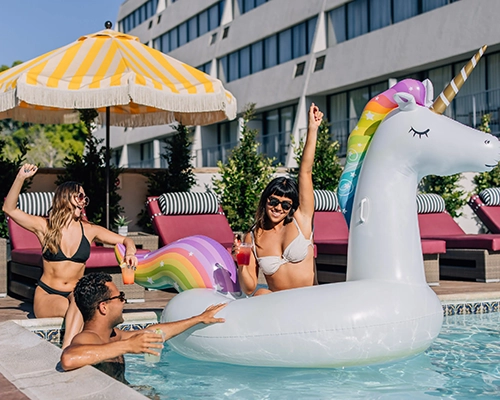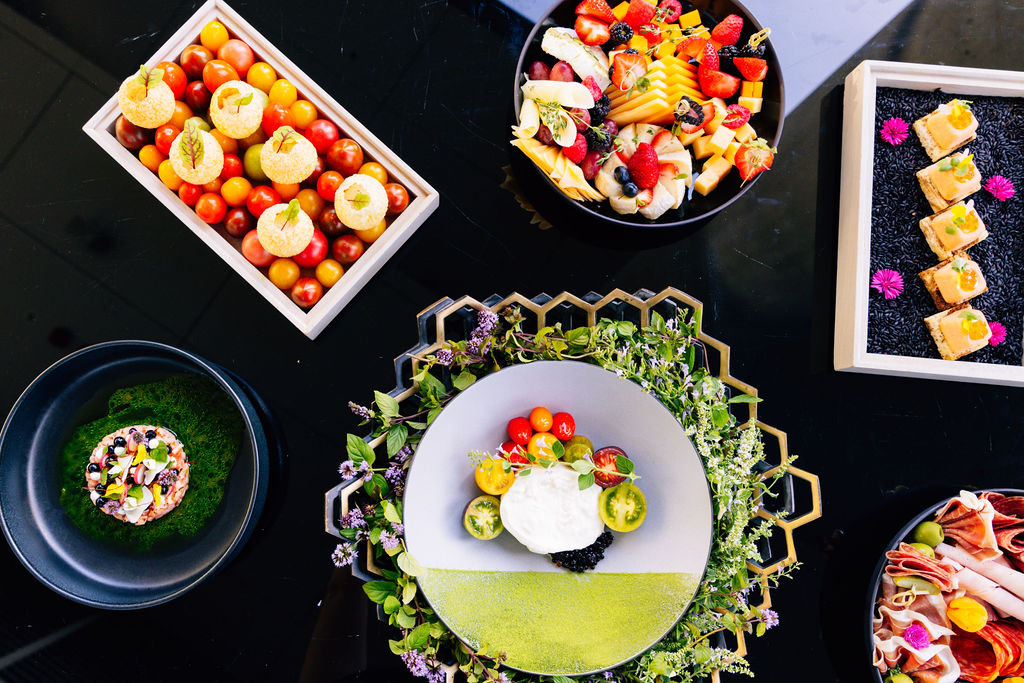
JW Marriott Vancouver. Photo by SoHo.
For years, social media success has been measured by numbers that are easy to collect.
Followers.
Likes.
Comments.
Shares.
Video views.
Reach.
These metrics have their place.
They tell you whether people are seeing and engaging with your content.
But they don’t answer the question every hotel executive eventually asks:
“Is social media helping us generate more revenue?”
That’s the question that matters.
And it’s the one too many marketing reports fail to answer.
Engagement Isn’t the Goal
It’s easy to celebrate a post that reaches thousands of people.
A Reel goes viral.
A destination video generates thousands of views.
Followers increase.
Those are positive signals.
But engagement isn’t the business objective.
Hotels don’t invest in social media to collect likes.
They invest to create demand, build trust, increase direct bookings, strengthen guest relationships, and grow revenue.
The purpose of measurement should reflect those goals.
Social Influences More Than the Last Click
One reason social ROI feels difficult to measure is that it rarely receives credit for the entire customer journey.
Imagine this sequence.
A traveler discovers your hotel through Instagram.
They watch several videos.
A week later they visit your website.
They return after seeing a creator’s post.
They search for your hotel by name.
Finally, they click a paid search ad and complete their reservation.
Traditional attribution often credits the paid search campaign.
But social influenced nearly every decision that led to that booking.
If you only measure the last click, you’re only measuring the end of the story.
Measure the Entire Demand Journey
The strongest hospitality marketing teams don’t evaluate social in isolation.
They measure its influence across the entire Hospitality Demand Journey.
Discovery
Is your audience growing?
Are more travelers discovering your brand?
Key indicators include:
- Reach
- Impressions
- Audience growth
- Video views
- Share of voice
These metrics tell you whether you’re creating future demand.
Engagement
Are travelers interacting with your brand?
Look beyond likes.
Measure:
- Saves
- Shares
- Comments
- Direct messages
- Profile visits
- Community response rates
These actions indicate growing interest—not just passive consumption.
Consideration
Is social moving travelers closer to booking?
Monitor:
- Website traffic from social
- Returning visitors
- Branded search volume
- Time on site
- Review sentiment
- Content downloads
- Email sign-ups
These metrics show whether social is influencing evaluation and intent.
Conversion
Eventually, social should contribute to measurable business outcomes.
Track:
- Direct bookings
- Assisted conversions
- Revenue influenced
- Booking engine visits
- Paid media performance
- Cost per acquisition
- Return on advertising spend
Social shouldn’t be measured only by what it closes.
It should also be measured by what it helps create.
Social Creates Better Marketing Everywhere Else
One of the biggest mistakes organizations make is evaluating social independently.
Social improves nearly every other marketing investment.
It increases brand recognition.
Improves paid advertising.
Strengthens retargeting.
Generates guest content.
Supports reputation management.
Creates creative assets.
Builds first-party audiences.
Those outcomes rarely appear in a traditional social report.
But they contribute directly to marketing efficiency.
Demand Is the Metric That Matters
Imagine two hotels.
One generates one million impressions but very little website traffic.
The other generates fewer impressions but consistently increases branded search, returning visitors, and direct bookings.
Which social strategy is creating more value?
The answer isn’t found in reach.
It’s found in demand.
Demand is the bridge between awareness and revenue.
That’s why it should become the primary measurement objective.
Stop Reporting Activity. Start Reporting Business Outcomes.
Hotel executives don’t manage the business using likes.
They manage it using performance.
Revenue.
Occupancy.
Guest satisfaction.
Profitability.
Customer acquisition costs.
Marketing reports should speak the same language.
Instead of asking:
“How many followers did we gain?”
Ask:
- Did branded search increase?
- Did website traffic grow?
- Did direct bookings improve?
- Did paid campaigns become more efficient?
- Did guest engagement increase?
- Did we expand our addressable audience?
- Did more travelers choose our brand?
Those are business questions.
Social should answer them.
Build an Executive Dashboard
The best marketing dashboards don’t overwhelm leadership with dozens of disconnected metrics.
They focus on a handful of indicators that connect social activity to commercial performance.
A modern executive dashboard might include:
Demand Creation
- Audience growth
- Reach
- Video completion rate
- Share of voice
Engagement
- Saves
- Shares
- Community response time
- Guest conversations
Consideration
- Branded search
- Website visits from social
- Returning visitors
- Review sentiment
Commercial Impact
- Direct bookings
- Assisted revenue
- Paid media efficiency
- Customer acquisition cost
- Revenue influenced
This creates a much clearer picture of how social contributes to business growth.
The Future of Social Measurement
Hospitality marketing is evolving.
The organizations leading the industry are no longer asking whether social media produces likes.
They’re asking whether it creates demand.
Whether it strengthens trust.
Whether it supports paid media.
Whether it influences booking decisions.
Whether it grows revenue.
Those are the questions that matter.
Because social media isn’t simply another communication channel.
It’s one of the earliest—and most influential—stages of the Hospitality Demand Journey.
The hotels that measure it accordingly will make better investment decisions, build stronger marketing strategies, and create more predictable demand.
Because the true return on social media isn’t measured by how many people liked your content.
It’s measured by how many travelers chose your hotel because of it.