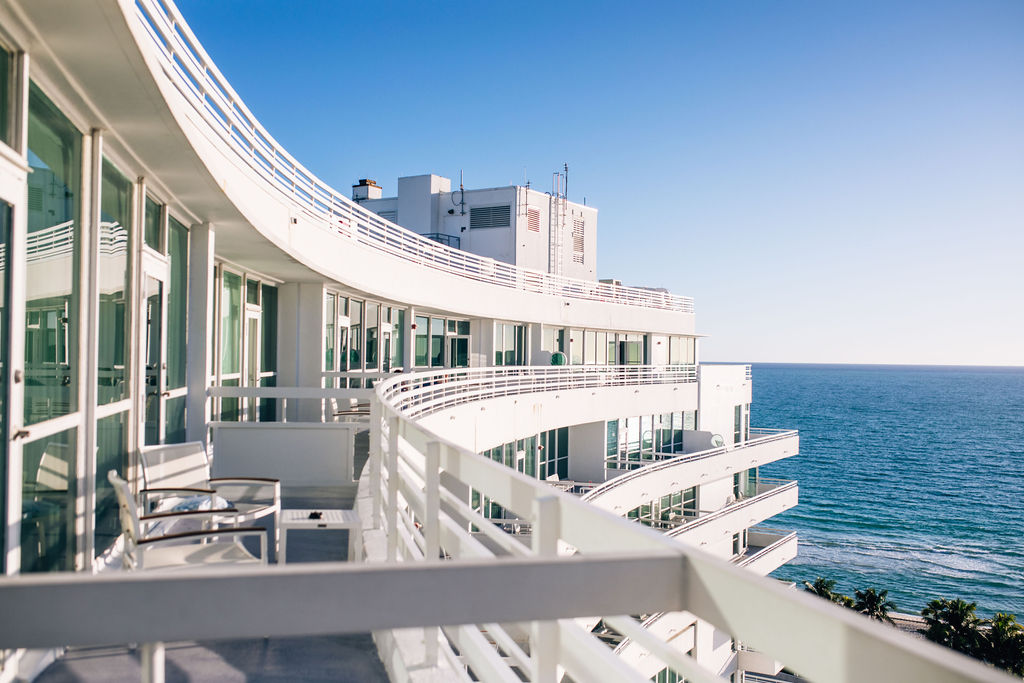
Fontainebleau Miami Beach. Photo by SoHo.
For years, hotel marketing has been measured by one outcome: bookings.
Website traffic. Conversion rates. Cost per acquisition. Return on ad spend. Occupancy.
These metrics remain important—but they only tell part of the story.
Every booking begins long before someone clicks “Reserve.”
It starts with a moment of discovery.
A traveler sees a breathtaking rooftop pool on Instagram. A creator shares a weekend itinerary on TikTok. A friend posts photos from a recent stay. An AI assistant recommends a boutique hotel in Lisbon. A guest reads glowing reviews while planning a vacation.
These moments shape perception long before a traveler compares prices or visits a booking engine.
This is what we call The Hospitality Demand Journey—the complete path from initial inspiration to loyal advocacy. Understanding this journey helps hotels invest in the right channels at the right time and create more predictable demand.
The Hospitality Demand Journey
The modern guest journey is no longer a straight line. Travelers move back and forth between channels, devices, and platforms as they plan their trips. Still, most journeys can be understood through six connected stages:
- Discovery
- Engagement
- Consideration
- Booking
- Experience
- Advocacy
Each stage influences the next—and social media plays a meaningful role throughout.
Stage 1: Discovery
Goal: Capture attention before travelers know where they’ll stay.
This is where demand begins.
Travelers are dreaming about future vacations, business trips, weekend getaways, or special occasions. They’re looking for inspiration, not making purchasing decisions.
Discovery happens through:
- Instagram Reels
- TikTok videos
- YouTube travel content
- Creator partnerships
- Guest-generated content
- Destination content
- AI recommendations
At this stage, hotels aren’t competing on price.
They’re competing for attention.
The brands that consistently publish inspiring, authentic content become part of a traveler’s consideration set long before booking begins.
Stage 2: Engagement
Goal: Build familiarity and trust.
Once travelers discover a hotel, they begin interacting with the brand.
They might:
- Follow the hotel’s social accounts.
- Watch additional videos.
- Browse photo galleries.
- Read comments.
- Explore tagged content.
- Ask questions through direct messages.
- Save posts for later.
Every interaction increases familiarity.
This is where community management becomes critical.
Fast, thoughtful responses signal that a hotel is attentive, welcoming, and invested in the guest experience before a reservation is ever made.
Stage 3: Consideration
Goal: Help travelers confidently choose your hotel.
Now the guest is actively comparing options.
They’re evaluating:
- Reviews
- Amenities
- Location
- Dining
- Pool and spa experiences
- Meeting facilities
- Brand reputation
- Guest photos
- Website content
- Pricing
This is where social proof becomes incredibly powerful.
Authentic guest content, creator videos, community engagement, and positive online conversations provide reassurance that polished marketing materials alone cannot.
Hotels that consistently showcase real guest experiences reduce uncertainty and build confidence.
Stage 4: Booking
Goal: Convert interest into revenue.
Only now does the booking process begin.
Guests may arrive through:
- Direct website visits
- Paid search
- Brand searches
- Retargeting campaigns
- Email marketing
- Online travel agencies
- Loyalty programs
Many marketers focus most of their budget here because bookings are easy to measure.
But by this stage, much of the decision has already been made.
The earlier stages of discovery, engagement, and consideration often determine whether a traveler even reaches the booking engine.
Stage 5: Experience
Goal: Deliver an experience worth sharing.
The guest journey doesn’t end after the reservation.
In fact, some of the most valuable marketing happens during the stay.
Guests create content by:
- Posting photos.
- Recording videos.
- Tagging the hotel.
- Sharing meals.
- Reviewing amenities.
- Recommending experiences.
- Highlighting exceptional service.
Every guest becomes a potential publisher.
Hotels that actively encourage content creation generate authentic marketing assets that influence future travelers.
Stage 6: Advocacy
Goal: Turn satisfied guests into long-term brand ambassadors.
After checkout, guests continue influencing future bookings.
They write reviews.
Recommend hotels to friends.
Share memories online.
Return for future stays.
Join loyalty programs.
Recommend destinations.
Positive advocacy creates a cycle of discovery that continuously feeds new demand into the top of the funnel.
Today’s guests are tomorrow’s influencers.
Why Hotels Overinvest in the Bottom of the Funnel
Many hotel marketing budgets heavily favor conversion activities:
- Paid search
- OTAs
- Retargeting
- Booking engine optimization
These tactics are important—but they focus on travelers who have already entered the market.
When hotels underinvest in discovery, they eventually run out of people to convert.
This creates a familiar pattern:
- Paid media becomes more expensive.
- Acquisition costs increase.
- Growth slows.
- Marketing teams spend more money chasing the same audience.
The result is diminishing returns.
Healthy demand engines require investment across the entire journey—not just at the point of purchase.
Social Connects Every Stage
Unlike many marketing channels, social media influences every part of the Hospitality Demand Journey.
It inspires discovery.
It builds engagement.
It provides social proof.
It supports conversion.
It amplifies guest experiences.
It fuels advocacy.
Rather than existing as a standalone marketing function, social becomes the connective tissue linking every stage of the guest experience.
That’s why leading hospitality brands increasingly view social not as a content calendar, but as a business platform that supports demand generation, guest engagement, customer service, reputation management, and long-term growth.
Measure the Journey, Not Just the Booking
Bookings are the outcome.
Discovery is the beginning.
Hotels that only measure reservations miss the signals that explain why demand is growing—or why it isn’t.
Leading marketing teams also measure:
- Audience growth
- Reach and impressions
- Video completion rates
- Saves and shares
- Engagement quality
- Community response times
- Website visits from social
- Brand search volume
- Returning visitors
- Direct bookings
- Guest-generated content
- Online sentiment
Together, these metrics provide a more complete picture of how demand is created.
Building a More Predictable Demand Engine
The hotels that outperform over the next decade won’t simply optimize for conversion.
They’ll optimize for the entire guest journey.
They’ll invest in discovery before travelers are ready to book.
They’ll engage with guests long before check-in.
They’ll create experiences worth sharing.
And they’ll turn satisfied guests into advocates who inspire the next generation of travelers.
Because every direct booking begins with a moment of discovery.
The hotels that consistently earn attention, build trust, and create memorable experiences across the entire Hospitality Demand Journey won’t just generate more bookings—they’ll build stronger brands, lower acquisition costs, and create more predictable demand for years to come.