Every industry has its own marketing playbook.
Software companies focus on features, integrations, and return on investment.
Manufacturers emphasize performance, quality, and reliability.
Professional services firms build credibility through expertise and relationships.
Hotels are different.
While travelers certainly compare prices, amenities, and locations, those factors alone rarely determine where they stay.
People don’t book hotels because they need a room.
They book hotels because they want an experience.
A celebration.
An adventure.
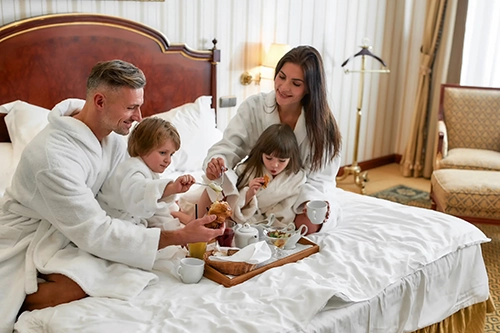
A family vacation.
A romantic escape.
A business trip that feels less like work.
Hospitality isn’t selling a product.
It’s selling a future memory.
That’s why hotel marketing plays by different rules.
Travel Is an Emotional Purchase
Think about the last vacation you planned.
You probably don’t remember the room dimensions.
You probably don’t remember the thread count.
You probably don’t remember whether the property offered twelve meeting rooms or thirteen.
You remember the feeling.
The sunset over the ocean.
The rooftop dinner.
Morning coffee overlooking the mountains.
Walking through a historic neighborhood.
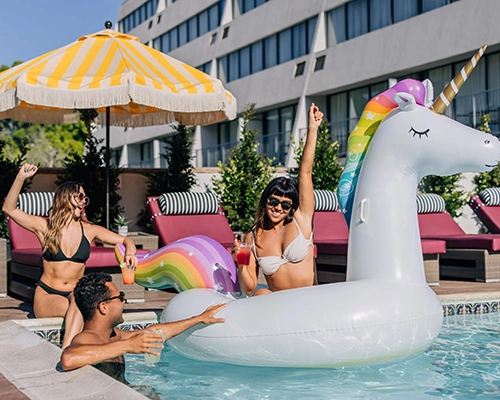
Laughing around the pool with your family.
Travel is emotional.
The decision to book a hotel is often emotional first and rational second.
Great hospitality marketing reflects that reality.
Travelers Imagine Themselves Before They Buy
Most buying decisions begin with a question:
“Will this product solve my problem?”
Travel begins with a different question:
“What will this experience feel like?”
That’s why visual storytelling matters so much in hospitality.
Photos.
Videos.
Guest stories.
Creator content.
Destination experiences.
Every piece of content helps travelers imagine themselves at your property before they ever arrive.
The better they can picture the experience, the more likely they are to book.
You’re Marketing More Than Rooms
Hotels rarely sell one thing.
They sell hundreds of experiences.
Weekend escapes.
Family vacations.
Business travel.
Destination weddings.
Spa weekends.
Golf trips.
Restaurants.
Cocktail bars.
Holiday celebrations.
Local adventures.
Wellness retreats.
Every guest arrives with different motivations.
That makes hospitality marketing one of the most dynamic disciplines in business.
Every Guest Is Also a Publisher
Most industries create their own marketing.
Hotels create marketing—and so do their customers.
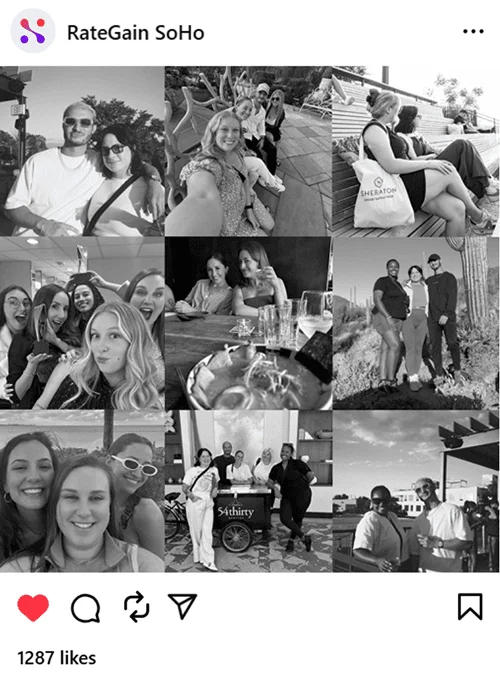
Every guest shares photos.
Posts videos.
Writes reviews.
Leaves ratings.
Tags locations.
Recommends experiences.
Today’s travelers often trust those authentic moments more than traditional advertising.
That means your guests don’t simply consume your marketing.
They become part of it.
Trust Matters More Than Promotion
Hospitality asks travelers to commit significant time and money before experiencing the product.
That creates risk.
Will the hotel match the photos?
Will the service be exceptional?
Will the location feel right?
Will the experience justify the investment?
Marketing’s role isn’t simply generating attention.
It’s reducing uncertainty.
Reviews.
Community engagement.
Guest-generated content.
Creator partnerships.
Consistent messaging.
Every interaction helps build confidence before someone books.
The Journey Begins Long Before Booking
Unlike many industries, the buying process often starts months before the purchase.
Travelers dream.
Research.
Save ideas.
Share inspiration.
Compare destinations.
Follow hotels.
Watch videos.
Read reviews.
Return multiple times.
Only then do many of them make a reservation.
Hospitality marketing isn’t simply about converting demand.
It’s about creating it.
The Stay Is Part of the Marketing
Most businesses finish marketing when the purchase is complete.
Hotels are just getting started.
Every interaction during the stay becomes future marketing.
Exceptional service creates reviews.
Beautiful experiences create photos.
Memorable moments create recommendations.
Happy guests create social proof.
The guest experience becomes the next marketing campaign.
Hospitality Requires Human Connection
Automation has transformed many industries.
Hospitality still depends on people.
A thoughtful reply to a comment.
A personalized recommendation.
A warm welcome at check-in.
A concierge who remembers your name.
A community manager who answers questions before arrival.
Technology supports hospitality.
People deliver it.
That’s why authentic engagement remains one of the industry’s greatest competitive advantages.
Great Hotel Marketing Mirrors Great Hospitality
The best hotels don’t simply provide accommodation.
They anticipate needs.
Create memorable moments.
Remove friction.
Make people feel welcome.
Great marketing should do exactly the same.
It should inspire.
Guide.
Reassure.
Build confidence.
Help travelers imagine what their stay could become.
When marketing reflects the experience guests will actually receive, trust grows naturally.
The Future Belongs to Experience Brands
As travelers gain more ways to discover destinations—from social media and creator content to reviews and AI recommendations—the hotels that stand out won’t necessarily have the biggest advertising budgets.
They’ll have the clearest story.
The strongest reputation.
The most authentic guest experiences.
The most engaged communities.
The most memorable moments worth sharing.
Because hospitality has never been about selling rooms.
It’s about helping people imagine experiences they’ll remember for years.
The hotels that understand that distinction won’t just create better marketing.
They’ll build stronger brands, inspire greater loyalty, and generate demand that extends far beyond the booking itself.
In hospitality, you’re not marketing a room.
You’re marketing the story guests will tell after they leave.