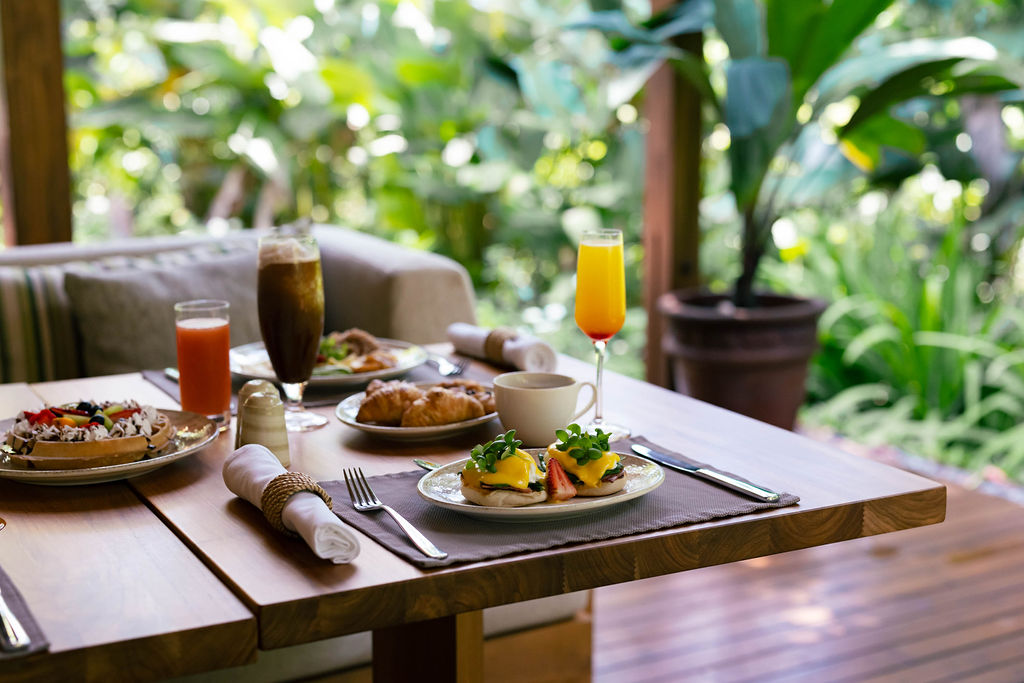
Botánika Osa Peninsula, Curio Collection by Hilton. Photo by SoHo.
Many hotel marketing teams treat organic social media and paid advertising as two separate strategies.
One team manages Instagram.
Another manages paid search.
Someone else runs display campaigns.
Performance is measured independently.
Budgets are allocated independently.
Success is reported independently.
But that’s not how travelers make decisions.
Guests don’t experience your marketing channel by channel. They experience your brand.
Every Instagram Reel they watch, every guest photo they see, every creator video they save, every review they read, and every paid advertisement they click contributes to a single decision:
“Is this a hotel I trust enough to book?”
The most successful hotel marketing organizations understand that organic social and paid media aren’t competing investments.
They’re complementary forces that work together to create demand and convert it.
Paid Media Captures Intent
Paid advertising is incredibly effective.
Search ads reach travelers actively looking for accommodations.
Display ads reconnect with previous website visitors.
Social advertising expands reach and drives traffic.
Retargeting brings potential guests back to complete their booking.
These channels are designed to capture demand.
They perform best when travelers already have some level of awareness or intent.
But paid advertising rarely creates demand on its own.
Organic Social Creates Familiarity
Imagine you’re planning a weekend getaway.
You search Google and two hotels appear.
You’ve never heard of the first one.
The second feels familiar.
Maybe you’ve seen its Instagram Reels.
Perhaps a creator featured the property.
You’ve watched a rooftop sunset video.
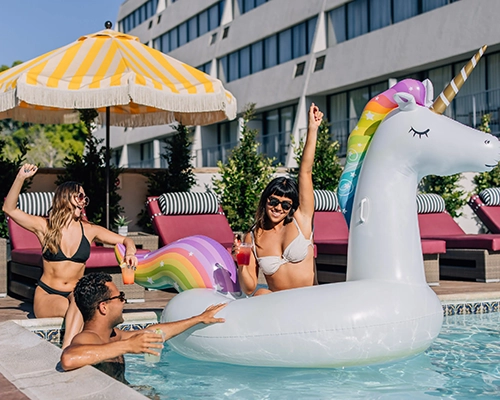
You’ve seen guests sharing photos from the pool.
Without realizing it, you’ve already begun building trust with that brand.
Which hotel are you more likely to click?
This is known as the mere exposure effect—a well-established psychological principle showing that people tend to develop a preference for things they encounter repeatedly.
Organic social creates those repeated moments of exposure.
Paid media benefits from them.
Familiar Brands Win More Clicks
Marketing isn’t just about reaching people.
It’s about becoming recognizable before they’re ready to buy.
Travelers naturally gravitate toward brands they recognize.
That familiarity often leads to:
- Higher click-through rates.
- Lower cost per click.
- Higher conversion rates.
- Increased branded search.
- More direct website traffic.
- Better return on advertising spend.
The ad didn’t create trust.
It leveraged trust that had already been built.
Organic Improves Every Stage of Paid Performance
Organic social strengthens paid media long before someone clicks an advertisement.
Discovery
Social introduces travelers to your destination and your brand.
Engagement
Guests interact with your content, follow your accounts, save posts, and watch videos.
Consideration
They visit your website, read reviews, and compare options.
Conversion
When they finally encounter a paid advertisement, they’re no longer seeing your hotel for the first time.
That familiarity dramatically improves the likelihood of engagement.
Paid media becomes more efficient because the audience already knows who you are.
Better Creative Starts With Organic
Organic social also provides something many paid campaigns struggle to produce:
Real-world creative insights.
Hotels publish dozens of organic posts every month.
Some perform exceptionally well.
Others don’t.
Those results reveal valuable information about what resonates with travelers.
You learn:
- Which videos generate the most engagement.
- Which images attract attention.
- Which destinations create excitement.
- Which amenities guests care about.
- Which messages inspire action.
Instead of guessing what will work in paid campaigns, marketers can promote content that’s already proven successful.
Organic becomes the testing ground.
Paid becomes the amplifier.
User-Generated Content Outperforms Traditional Advertising
One of the most effective forms of paid creative often isn’t professionally produced.
It’s created by guests.
Travelers trust authentic experiences.
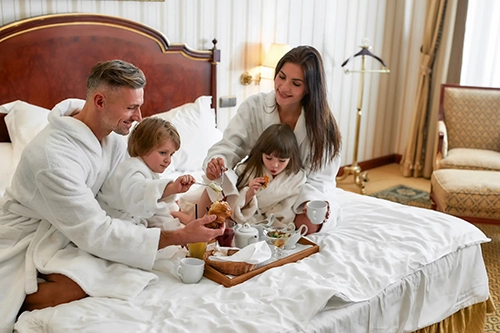
A guest sharing breakfast with an ocean view.
A family enjoying the resort pool.
A creator documenting a weekend itinerary.
A couple celebrating an anniversary.
These moments feel genuine because they are.
When incorporated into paid campaigns, user-generated content often produces stronger engagement than polished promotional assets because it reflects how guests actually experience the property.
Retargeting Works Better When There’s Something Worth Returning To
Retargeting is one of the most effective forms of digital advertising.
But it has a limitation.
It only works if people have already interacted with your brand.
Organic social gives travelers reasons to engage before they’re ready to book.
They may:
- Watch multiple videos.
- Visit your profile.
- Click through to your website.
- Save content.
- Follow your account.
Each interaction creates another opportunity for intelligent retargeting.
Without discovery, your retargeting audience remains limited.
With consistent organic content, it grows continuously.
Stop Measuring Organic and Paid Separately
Many marketing reports answer questions like:
“How did paid social perform?”
“How many bookings came from Google Ads?”
“What was our ROAS?”
Those metrics matter.
But they don’t explain why performance improved—or declined.
A better question is:
How did our entire demand engine perform?
Leading hospitality brands evaluate paid and organic together because each influences the other’s success.
When organic engagement increases, paid efficiency often improves.
When creator content performs well, paid creative becomes stronger.
When community management builds trust, conversion rates rise.
The channels aren’t independent.
They’re interconnected.
Build One Demand Engine, Not Two Marketing Teams
The strongest hotel marketing organizations no longer think in terms of “brand marketing” versus “performance marketing.”
They recognize that growth comes from combining both.
Organic social creates discovery.
Community management builds relationships.
Guest content provides credibility.
Creators expand reach.
Paid media accelerates visibility.
Retargeting converts interest into bookings.
Each channel strengthens the next.
Together, they create a marketing system that’s greater than the sum of its parts.
Marketing Works Best When Every Channel Supports the Next
No traveler books a hotel because of a single advertisement.
They book because dozens of interactions gradually build confidence in the decision.
A Reel sparks curiosity.
A guest photo creates trust.
A creator tells a story.
A review removes uncertainty.
A paid advertisement reminds them it’s time to book.
That’s how modern hospitality marketing works.
Organic social doesn’t compete with paid media.
It makes every paid dollar work harder.
Because the most effective advertising isn’t simply reaching more people.
It’s reaching people who already know why they should choose you.